Polyester vs. Cotton vs. Wool: What Happens to Your Body at 3am
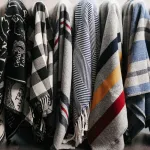
The fiber your bedding is made from directly shapes your body temperature, moisture levels, and sleep architecture through every hour of the night. This is what’s actually happening under the covers — and why it matters more than you think.
By Best Night Sleep Authority
Most people choose bedding by how it feels in the store — the softness test, the weight test, maybe the price. What almost no one considers is what that bedding will do to their body at 2am when the house has cooled down, or at 4am when their core temperature starts its pre-dawn rise. But that’s exactly when fiber type makes the most difference.
Sleep is a profoundly physiological process. Your body is not simply resting — it’s cycling through distinct stages, regulating temperature, releasing hormones, repairing tissue, and consolidating memory. All of that depends on a stable thermal environment. Your bedding is the primary mediator of that environment for eight hours a night.
Here’s what each fiber type actually does to your body across a typical night.
Your Body’s Sleep Architecture (The Baseline)
To understand why fiber matters, you first need to understand what your body is trying to do. Sleep progresses in roughly 90-minute cycles, each consisting of lighter sleep stages (N1, N2), deep sleep (N3/slow-wave), and REM sleep. Core body temperature follows a consistent pattern: it drops at sleep onset, reaches its nadir around 3–5am, then rises toward morning as cortisol begins building.
Any disruption to this temperature curve — caused by heat trapped in bedding, moisture accumulation on skin, or discomfort forcing partial waking — fragments your sleep cycles. You spend less time in the deep and REM stages that do the most physiological work. You wake up tired even after a “full” night of sleep.
What’s remarkable is how directly fiber choice affects this curve.
Hour by Hour: The Three Fibers Compared
10pm – Bedtime
Sleep Onset — The Temperature Drop Begins
Your core temperature starts to fall. Distal skin temperature (hands, feet) rises as heat dissipates from your core to the environment. This is the trigger for sleepiness. Your bedding’s vapor permeability determines how quickly you can shed that initial body heat and settle into N1/N2 sleep.
🟢 Wool: Vapor-permeable, lets heat escape while buffering moisture. Faster sleep onset documented in multiple studies.
🟡 Cotton: Good permeability, moderate moisture management. Comfortable onset for most sleepers.
🔴 Polyester: Low vapor permeability, heat builds immediately. Onset may feel warmer — but this can delay deep sleep.
12am – N3 Sleep
Deep Sleep — The Critical Thermal Window
Your first deep sleep (N3/slow-wave) period is typically longest early in the night. Physical repair happens here: growth hormone is released, immune function is strengthened, cellular recovery accelerates. Core temperature is at its lowest. For this stage to be maintained, the skin microclimate — the temperature and humidity between your body and your bedding — needs to stay stable.
🟢 Wool: Absorbs perspiration into fiber structure, maintains dry skin contact, keeps microclimate stable. N3 is protected.
🟡 Cotton: Absorbs moisture adequately for most conditions. Some saturation risk in warmer environments over time.
🔴 Polyester: Moisture accumulates on surface rather than absorbing. Skin becomes damp. Microclimate temperature rises. N3 is shortened.
2am – REM Peaks
REM Sleep — Memory and Mood Processing
REM periods lengthen across the night, with the longest and most vivid occurring in the second half of sleep. Brain activity is high. This is when your brain processes emotional experiences, consolidates memories, and performs creative cognition. But REM is also the stage most sensitive to thermal disruption — even subtle rises in skin temperature can trigger waking or shift you to lighter stages.
🟢 Wool: Umbach’s landmark study found 25% more REM sleep with wool bedding. Moisture buffering keeps conditions stable during this vulnerable stage.
🟡 Cotton: Good performance for most. Warm sleepers or warm environments may see some disruption as moisture management reaches capacity.
🔴 Polyester: Accumulated moisture and heat from earlier stages peaks here. REM disruption and waking most likely. This is the 3am wake-up that synthetic sleepers know.
4–6am – Pre-Dawn
Temperature Rise — The Final Stretch
Core body temperature begins rising toward morning. Cortisol starts building. Your body is preparing to wake. Natural fibers adapt to this shift — wool especially continues to buffer moisture and regulate temperature as the dynamic changes. Synthetic bedding, already saturated and heat-trapping, offers no help with this final transition.
🟢 Wool: Dynamic moisture buffering continues to function. Temperature rise stays gradual. Sleep quality maintained into final cycles.
🟡 Cotton: Reasonable performance. Quality morning sleep typically maintained.
🔴 Polyester: Heat-trapping and moisture saturation worsen through the night. Final sleep cycles frequently disrupted. Morning waking feels unrefreshed.
The Fiber Scorecard
Here’s how each fiber type measures up across the sleep-relevant dimensions that research has documented:
| Sleep Factor | Wool | Cotton | Polyester |
|---|---|---|---|
| Moisture Absorption (% of fiber dry weight) | 35% | 24% | <1% |
| Vapor Permeability (Breathability) | Excellent | Good | Poor |
| Sleep Onset (Time to fall asleep) | Fastest | Fast | Slower |
| REM Sleep (Research outcomes) | +25% vs synthetic | Better than synthetic | Baseline |
| Sleep Fragmentation (Nighttime waking) | Lowest | Low | Highest |
| Chemical-Free (No VOCs) | Yes | Yes | Often No |
| Static Charge | None | None | Accumulates |
| Dust Mite Resistance | High | Moderate | Low |
Faribault Mill · American Made
Penobscot Cotton Blanket
A Faribault bestseller — 100% American cotton in a beautiful herringbone weave. Breathable, natural, machine washable. Available in twin, queen, and king. Over 100 five-star reviews.
The Polyester Problem: A Closer Look
It’s worth understanding specifically why polyester performs so poorly as a sleep fiber, because it dominates the market. Most comforters, duvet fills, and bedding sets sold at mass-market price points use polyester — it’s cheap, durable, and easy to care for. But its thermal and moisture properties are fundamentally at odds with good sleep physiology.
Research Finding
When comparing cotton to polyester fabric at 37°C and 60% relative humidity — conditions similar to what skin experiences under bedding — polyester produced significantly higher sweating rates due to its inability to wick or absorb moisture. This moisture buildup against the skin is the direct cause of the nighttime discomfort and waking that synthetic sleepers experience.
Referenced in: Li, Halaki & Chow. Journal of Sleep Research, 2024. Systematic review of nine fiber/sleep studies.
Additionally, most polyester bedding contains flame retardants and chemical finishing agents that can off-gas during sleep. You’re spending eight hours breathing the air immediately above these chemicals. The long-term implications are contested, but the precautionary argument for natural fibers is compelling — especially for children.
Cotton vs. Wool: When Each Excels
The research clearly elevates both cotton and wool above synthetic alternatives. But the choice between them is worth making thoughtfully:
Choose wool when: you’re a cool or cold sleeper, you live in a variable-temperature environment, you’re an older adult or poor sleeper (groups that show the greatest benefit in studies), or you want the absolute best thermoregulation performance across all conditions.
Choose cotton when: you sleep warm, live in a consistently warm climate, need machine-washable ease of care, or prefer a lighter blanket feel. Cotton’s breathability and moisture management are genuinely excellent — just not quite at wool’s level.
Layer both: The Faribault approach — one cotton and one wool blanket — lets you adjust through seasons and give yourself the option of either fiber’s performance based on conditions. This is actually the most sleep-optimized setup for variable climates.
The Scout Wool Camp Blanket — 100% American wool, woven in Minnesota. Available in twin, queen, and king.
Faribault Mill · 100% Wool
North Shore Wool Blanket
One of Faribault’s most beloved designs. 100% American wool in a classic plaid pattern — machine washable, available in twin through king. 129 five-star reviews can’t be wrong.
The Bottom Line for Your Bed
The choice of fiber in your bedding is not an aesthetic decision. It’s a physiological one. The research is consistent: natural fibers — particularly wool, and to a strong degree cotton — create the microclimate conditions your body needs to cycle through sleep stages efficiently, stay in deep and REM sleep longer, and wake up genuinely rested.
Polyester can’t buffer moisture. It can’t regulate temperature dynamically. It builds static charge and traps heat in a way that directly competes with the temperature drop your body needs. For something you spend a third of your life inside of, that matters enormously.
“The skin is not passive. It is an active sensory, electrical, and metabolic organ, continuously communicating with the nervous and cardiovascular systems. How bedding handles moisture determines whether the body can remain in a parasympathetic, restorative state.”— Nature and Science of Sleep, Sleep physiology research overview
The good news: the switch to natural fiber bedding is a one-time decision that pays off every single night. And buying American-made wool or cotton means supporting the craft traditions — and the jobs — that keep domestic textile manufacturing alive.